
Hair & scalp
Hair fall treatment in Tirupati
Hair fall has a cause — stress, thyroid, low iron, hormones, genetics or simply the season. We find yours first, then build a plan with PRP, GFC, mesotherapy and the right medical treatment, so you're not left guessing with another oil or shampoo.
Hair grows in cycles, so hair treatment is a three-to-six-month project. The first step is knowing which kind of hair loss you have.
Sudden, diffuse shedding a few months after fever, surgery, childbirth or a crash diet (telogen effluvium) usually recovers once the trigger is fixed. Gradual thinning at the crown or a widening parting is usually pattern hair loss, which needs long-term care. Patchy round bald spots are alopecia areata — a different condition altogether.
We examine your scalp closely, ask about your health and diet, and suggest blood tests only when they're likely to change the plan.
Hair Fall Diagnosis
Find the real cause before choosing a treatment.
PRP Hair Therapy
Growth factors from your own blood to support regrowth.
GFC Therapy
A refined, more consistent growth-factor treatment.

Mesotherapy
Vitamins and peptides delivered into the scalp.
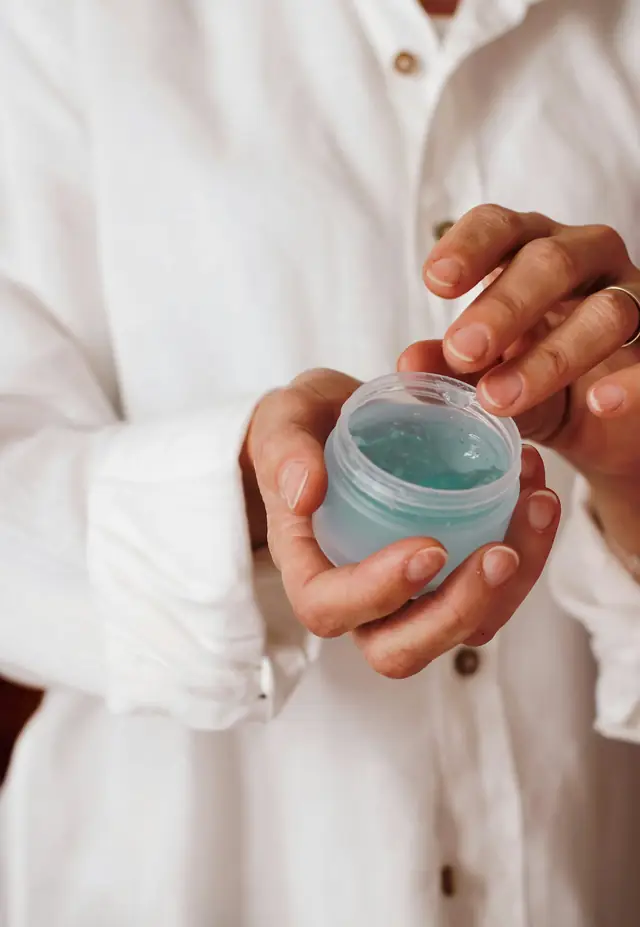
Dandruff & Scalp Care
Treat the scalp condition, not just the flakes.
Care After Tonsure
Protecting a freshly shaved scalp in Tirupati sun.
Hair fall diagnosis & treatment
Most hair fall can be slowed and much of it improved without surgery. The earlier you start, the more hair there is to protect.
How we work it out
- History and examination. Pattern of loss, pull test, close-up scalp examination and a look at your hair routine.
- Targeted tests. Where needed — thyroid, iron stores (ferritin), vitamin D, B12 or hormone tests for women with irregular cycles.
- A combined plan. Medical treatment for the cause, plus in-clinic therapies that support regrowth, reviewed with photos.
Shedding can briefly increase in the first weeks of some treatments as old resting hairs make way for new growth. It's a common, temporary phase.
PRP hair therapy
Platelet-rich plasma (PRP) is prepared from a small sample of your own blood. Spun in a centrifuge, it concentrates platelets that release growth factors, which are then injected into thinning areas of the scalp to support the hair growth cycle.
The session
- Draw and spin. A small blood sample is processed in a sterile, closed kit.
- Numb and inject. Fine injections across the thinning areas, about 30–45 minutes in all.
- Go home. Avoid washing your hair for the rest of the day; mild tenderness settles within 24 hours.
Most people who respond notice less shedding after 2–3 sessions and improved density over 4–6 months. Maintenance sessions every 4–6 months help keep results.
GFC (growth factor concentrate)
GFC is a refinement of PRP. Instead of injecting the platelets themselves, the growth factors are first released from them and concentrated, giving a cleaner, more consistent preparation from your own blood. Many patients find the sessions more comfortable.
- Made from your own blood — no foreign substances.
- Works best alongside medical treatment, not instead of it.
- Not suitable during pregnancy, with certain blood disorders or active scalp infection.
Mesotherapy & microneedling
Mesotherapy delivers a cocktail of vitamins, peptides and other actives directly into the scalp with tiny injections or a microneedling device. Microneedling itself also stimulates the scalp and helps topical treatments absorb better.
It's a useful option for early thinning, for people who prefer not to give blood, or as a booster between PRP or GFC sessions.
Dandruff & scalp care
Dandruff is driven by a yeast (Malassezia) that thrives on oily scalps — so it often gets worse in Tirupati's humid monsoon months. Persistent, thick or very itchy scaling can be seborrhoeic dermatitis or scalp psoriasis, which need medical treatment rather than stronger shampoos.
What helps
- Medicated shampoo left on the scalp for 3–5 minutes before rinsing — most people rinse too soon.
- In-clinic scalp peels and clarifying treatments to clear build-up.
- Not leaving heavy oil on the scalp overnight if you are prone to dandruff.
Scalp care after tonsure at Tirumala
Offering hair at Tirumala is a cherished tradition for many families who visit Tirupati. A freshly shaved scalp has had little sun exposure, so it burns easily — especially between March and June. A little care in the first few weeks keeps it comfortable.
- Cover the head with a cotton cap, cloth or umbrella when outdoors, and use sunscreen on the scalp once any nicks have healed.
- Wash gently with a mild shampoo and lukewarm water; pat dry rather than rubbing.
- Small itchy bumps are common as hair regrows. Avoid scratching, and see a doctor if bumps become painful, filled with pus or spread.
- Hair grows back at about 1 cm a month. Shaving does not make it grow thicker or faster — it only feels coarser because the tip is cut bluntly.
Compare
PRP, GFC or mesotherapy — what's the difference?
| Therapy | What's injected | Typical course | Best for | Comfort |
|---|---|---|---|---|
| PRP | Concentrated platelets from your blood | 3–4 monthly, then maintenance | Pattern thinning, post-illness shedding | |
| GFC | Growth factors released from your platelets | 4–6 sessions, 4–6 weeks apart | Pattern thinning; more consistent preparation | |
| Mesotherapy | Vitamins, peptides and actives | 4–6 sessions, 2–4 weeks apart | Early thinning, booster between sessions | |
| Medical treatment | Prescribed topical or oral medicines | Ongoing | The foundation for almost every plan |
How much hair fall is normal?
Losing about 50–100 hairs a day is normal. If you are shedding noticeably more than that for longer than 6–8 weeks, or you can see your scalp more easily, it is worth getting your scalp examined.
Is PRP for hair fall painful?
PRP involves fine injections in the scalp, which most people describe as tolerable, especially with a numbing cream or cooling. The scalp may feel tender for a day afterwards.
How many PRP sessions will I need?
A typical course is 3–4 sessions about a month apart, followed by maintenance every 4–6 months. The exact number depends on your type of hair loss and how you respond.
Can hair fall after pregnancy or fever be treated?
Yes. This type of shedding (telogen effluvium) usually starts 2–3 months after the trigger and recovers over several months. Checking iron, thyroid and vitamin levels and supporting the scalp can help hair recover sooner.
Does hair grow back thicker after tonsure at Tirumala?
No. Shaving does not change the hair follicle, so hair grows back with the same thickness and at about 1 cm a month. It only feels coarser at first because the hair tip has been cut bluntly.