
Skin & pigmentation
Skin & pigmentation treatment in Tirupati
Acne, scars, melasma, tan and dark circles behave differently on Indian skin — and differently again in Tirupati's heat. We treat the cause, choose gentle-but-effective options for melanin-rich skin and time your plan around the seasons.
Good skin treatment starts with the right question: what kind of acne, pigment or scar is this? The answer decides everything that follows.
Two people with "pigmentation" can need completely different plans — one has sun tan that fades with a few peels, the other has melasma that flares if treated too aggressively. That's why every skin plan at ALS begins with a close examination, a look at the products you already use and an honest conversation about timelines.
Below is what each treatment involves, who it suits and what to expect. Your final plan is decided only after your consultation.

Acne Treatment
Clear active breakouts and prevent the dark marks they leave.
Acne Scar Treatment
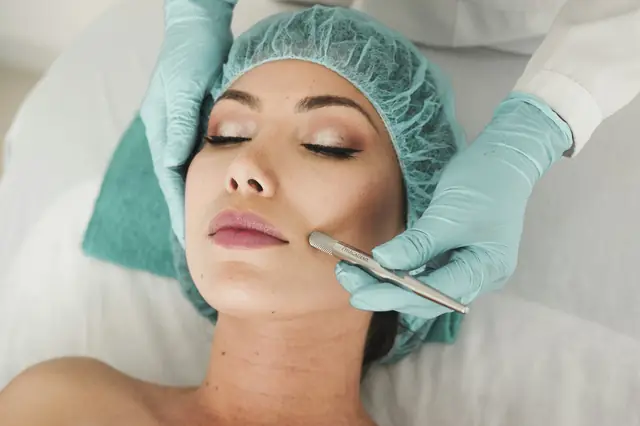
Microneedling, subcision and TCA CROSS to rebuild collagen.

Pigmentation & Melasma
Gentle, consistent plans that respect melanin-rich skin.
Chemical Peels
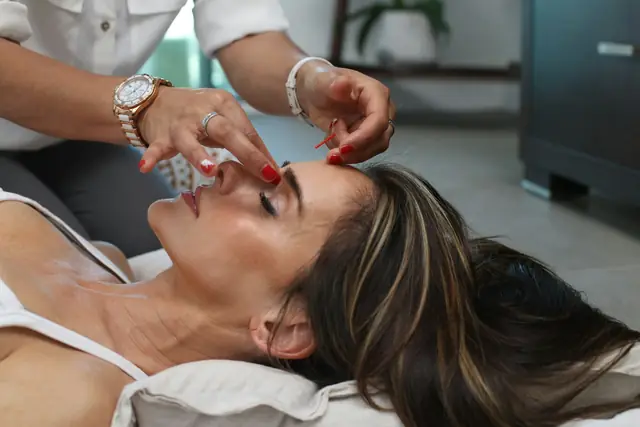
Controlled exfoliation for tone, texture and acne.
HydraFacial & Medi-Facials
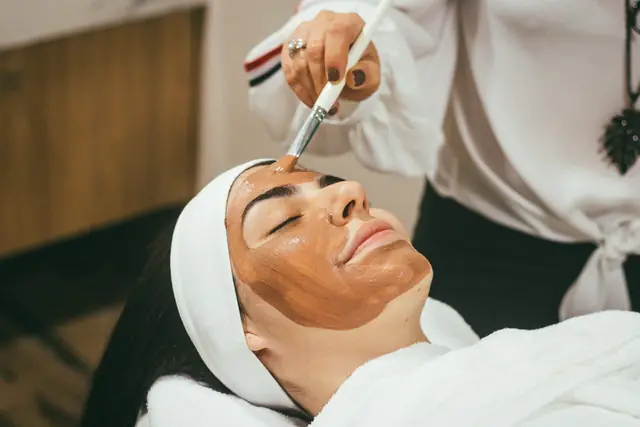
Instant glow with zero downtime.
Mole, Wart & Tag Removal
Quick radiofrequency removal of benign growths.
Acne treatment
Acne is a condition of the oil glands and pores, not a hygiene problem. Oil, dead skin cells, acne bacteria and inflammation all play a part — and hormones, humid weather, heavy creams and stress make it worse. Treating it early matters most for Indian skin, because every inflamed pimple can leave a dark mark that lasts months.
How we treat it
- Grade the acne. Comedonal, inflammatory, cystic or hormonal acne each need a different approach.
- Calm and clear. A prescription-grade routine, plus in-clinic salicylic or mandelic acid peels and gentle extraction.
- Prevent marks. Treat the dark spots and early scars as the acne settles, so you don't trade pimples for pigmentation.
Good to know
- Most people see fewer new breakouts within 6–8 weeks.
- Persistent jawline acne in women can be linked to hormones or PCOS — we'll tell you if tests make sense.
- Carbon laser peel is a good add-on for very oily, congested skin.
Acne scar treatment
True acne scars are dents left where inflammation damaged the collagen underneath. They improve by rebuilding collagen — which takes several sessions and a few months. Red or brown spots without a dent are marks, not scars, and are usually easier to treat.
Options we may combine
- Microneedling / MNRF. Fine needles (with radiofrequency in MNRF) create controlled micro-injuries that trigger new collagen.
- Subcision. Releases the fibrous bands that pull rolling scars down.
- TCA CROSS. A precise, high-strength acid applied only inside deep ice-pick scars.
Good to know
- Active acne should be controlled first — scar treatment works best on calm skin.
- Expect gradual improvement; collagen keeps remodelling for 3–6 months after a session.
- Sun protection between sessions lowers the risk of darkening.
Pigmentation & melasma
Pigmentation is extra melanin made in response to sun, heat, hormones or inflammation. Melasma — the symmetrical brown patches on cheeks, forehead and upper lip — is the most common and the most stubborn type in Indian women, and it is easily triggered by heat and visible light as well as UV.
How we approach it
- Identify the type and depth. Surface pigment responds faster than deeper pigment; mixed types are common.
- Control the triggers. Broad-spectrum, tinted sunscreen, a depigmenting routine and a check of hormonal factors.
- Clear gently. Peels and low-energy Q-switched Nd:YAG laser toning, spaced well apart to avoid rebound darkening.
Melasma can be controlled very well but tends to return with sun and heat. A maintenance routine is part of every melasma plan — beware of any promise of a "permanent cure".
Chemical peels
A chemical peel is a controlled exfoliation: a carefully chosen acid loosens the top layers of dull, pigmented or congested skin so fresher skin can come through. Superficial peels suit most Indian skin types when the acid, strength and contact time are matched correctly.
What happens during a peel
- Prime. For pigmentation, we often prepare the skin with a home routine for 2 weeks before the first peel.
- Apply and time. The peel is applied for a few minutes while we monitor how your skin responds, then neutralised or removed.
- Protect. A soothing moisturiser and sunscreen; light flaking for a few days is normal.
HydraFacial & medi-facials
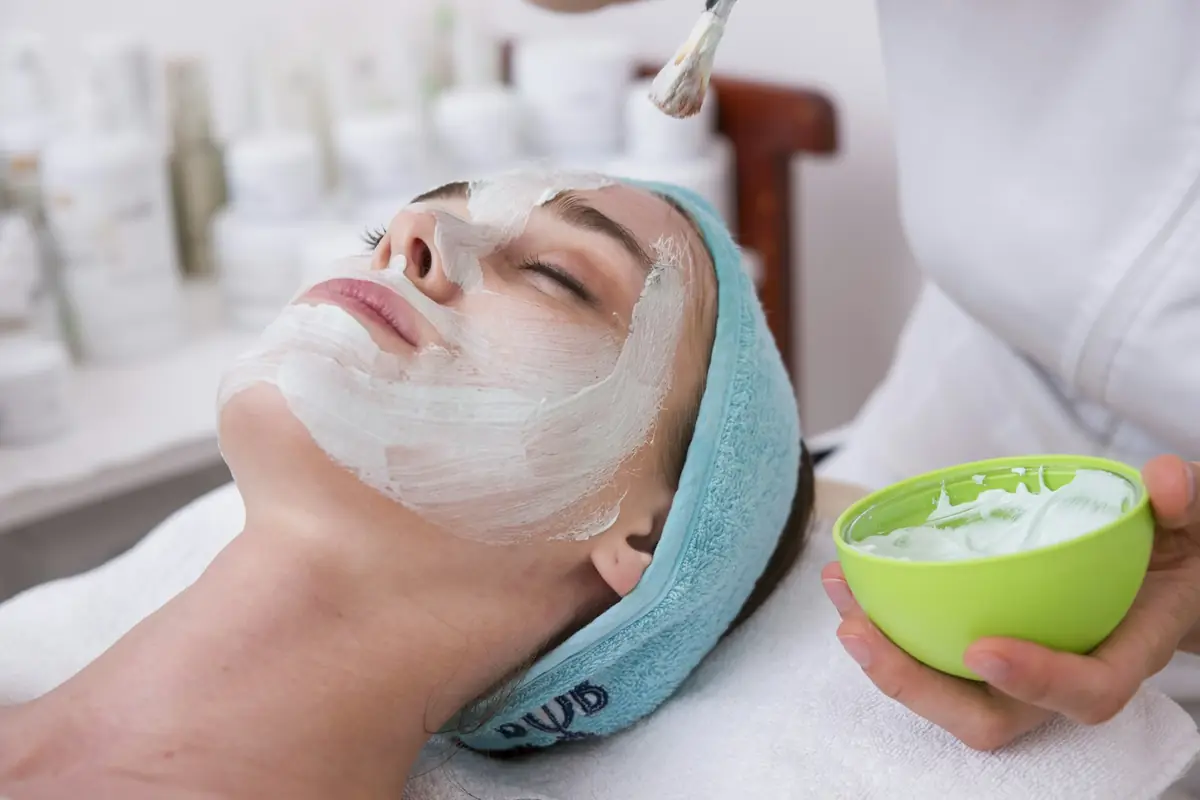
Medi-facials are clinical facials built around your skin's needs rather than a fixed menu. A HydraFacial-style treatment uses vortex suction to cleanse, exfoliate, extract and infuse hydrating serums in one session — useful before a wedding or function, and as monthly maintenance between stronger treatments.
Why people choose it
- Visible glow straight after the session, with no peeling.
- Gentle enough for sensitive skin and for the hot months when stronger peels aren't ideal.
- Can be customised with brightening, anti-acne or hydrating boosters.
Dark circles
Dark circles come in types. Brown circles are pigment; bluish circles show veins through thin skin; and shadowy circles are often a hollow under the eye that catches light. Most people have a mix — so one cream rarely fixes them.
What can help
- Pigment type: under-eye peels, laser toning and a targeted home routine.
- Hollow type: a small amount of hyaluronic acid filler in the tear-trough.
- All types: sleep, allergy control, sun protection and not rubbing the eyes.
Mole, wart & skin tag removal
Skin tags, warts and the small dark raised spots common on Indian cheeks (dermatosis papulosa nigra) can be removed quickly with radiofrequency cautery under local numbing. Each spot forms a small scab that falls off within about a week.
Any mole that is new, changing in size, shape or colour, bleeding or itching should be examined first — not simply removed. We'll advise a specialist evaluation where needed.
Compare
Glow, tone or texture — which treatment?
| Treatment | Best for | Typical sessions | Downtime | Intensity |
|---|---|---|---|---|
| HydraFacial / medi-facial | Dullness, tan, dehydration, pre-event glow | 1, then monthly | None | |
| Superficial chemical peel | Acne, marks, tan, uneven tone | 4–6 | 2–5 days flaking | |
| Laser toning | Melasma, pigmentation, open pores | 6–8 | Mild redness, hours | |
| Microneedling / MNRF | Acne scars, texture, large pores | 3–6 | 1–3 days redness |
How much does pigmentation treatment cost in Tirupati?
Cost depends on the type of pigmentation, the treatment chosen and the number of sessions you need, so we share a clear, written estimate after your consultation — before you commit to anything.
Are chemical peels safe for brown Indian skin?
Yes, superficial peels are safe for most Indian skin when the acid, strength and contact time are matched to your skin and the skin is prepared beforehand. The main risk on darker skin is temporary darkening, which careful selection and strict sun protection help prevent.
Can melasma be cured permanently?
Melasma can be lightened and kept under good control, but it is a long-term condition that tends to return with sun, heat and hormonal changes. A maintenance routine with daily sunscreen is the key to keeping results.
How soon will I see results for acne?
Most people notice fewer new breakouts within 6–8 weeks of starting the right treatment. Dark marks left by old pimples take longer to fade, usually a few months.
Can I get a peel or facial in summer?
Yes — hydrating medi-facials and mild peels are fine in summer if you protect your skin afterwards. We usually save stronger peels and pigmentation programmes for the cooler months between November and February in Tirupati.